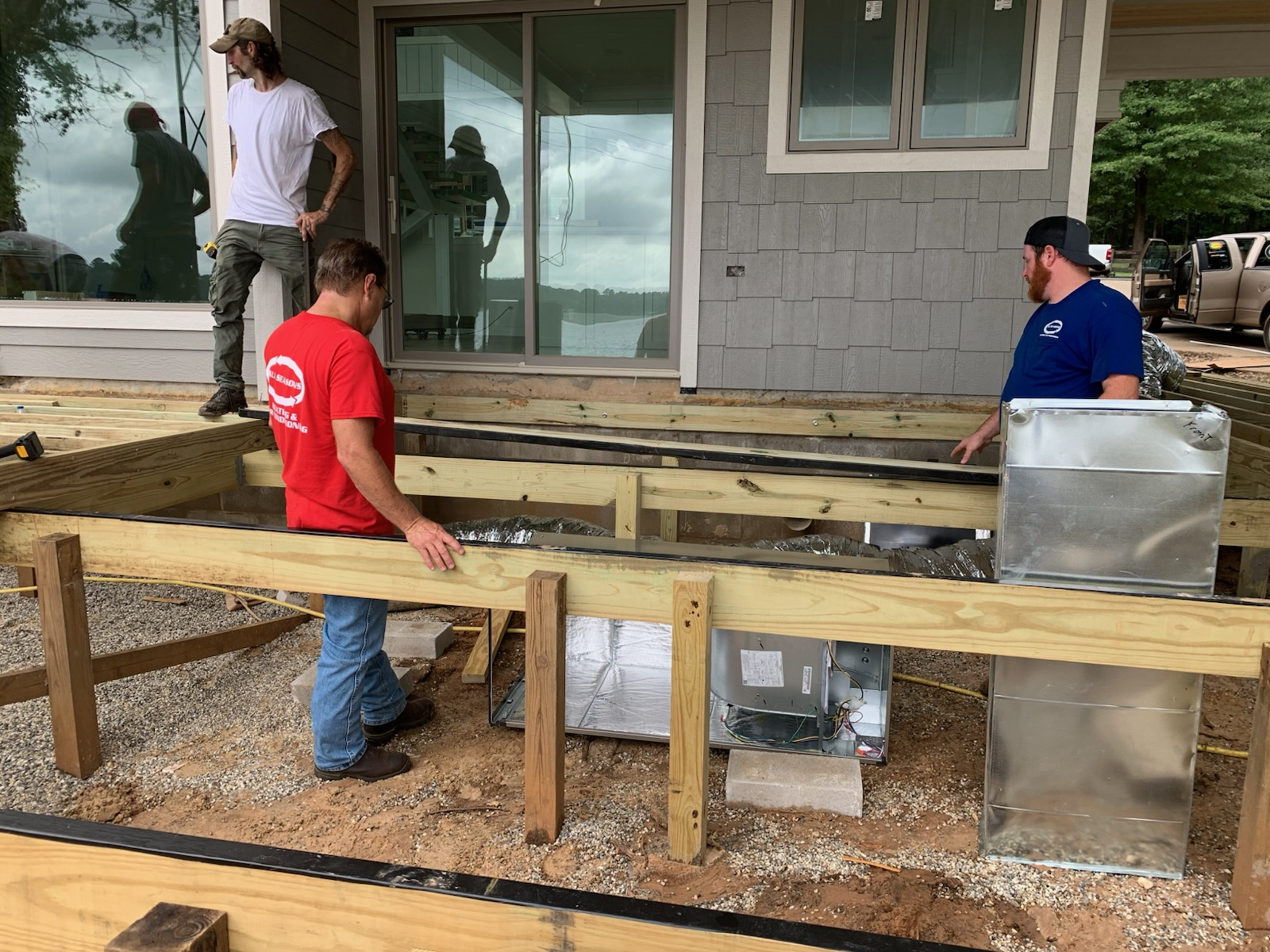
AC Blowing Warm Air Longview TX: 8 Serious Causes Homeowners Must Fix Fast
AC blowing warm air Longview TX is one of the most frustrating problems homeowners experience, especially when summer humidity and heat begin to rise across East Texas. In Longview and surrounding communities, your air conditioner plays a major role in indoor comfort, moisture control, and energy efficiency. When cool air suddenly turns warm, it can indicate anything from a simple airflow issue to a developing mechanical failure.
This guide explains the most common causes of warm airflow, how to troubleshoot basic issues safely, and when professional HVAC service is necessary to restore cooling performance before peak summer demand arrives.
Table of Contents
- Why Warm Air Problems Happen in Longview TX
- Thermostat Settings and Calibration Issues
- Dirty Air Filters Restricting Airflow
- Low Refrigerant or Refrigerant Leaks
- Frozen Evaporator Coils
- Outdoor Unit Problems
- Ductwork and Airflow Restrictions
- Electrical or Capacitor Failures
- Compressor Performance Issues
- DIY Troubleshooting Tips
- When to Call an HVAC Professional
- FAQ
Why Warm Air Problems Happen in Longview TX
East Texas humidity and long cooling seasons place heavy demand on HVAC systems. When components begin to wear or airflow becomes restricted, cooling efficiency drops quickly. Many homeowners notice warm airflow during spring startup when systems transition from winter inactivity to consistent cooling operation.
If warm air occurs alongside other symptoms such as strange noises, weak airflow, or rising energy bills, reviewing our guide on signs you need AC repair in Longview TX can help identify broader system concerns.
1. Thermostat Settings and Calibration Issues
Sometimes the problem is simpler than expected. Incorrect thermostat settings can cause warm airflow if the system is accidentally set to fan mode instead of cooling mode. Calibration errors can also cause temperature mismatches that prevent proper cooling cycles.
Confirm your thermostat is set to “cool,” adjust the temperature lower, and monitor system response. If short cycling occurs, professional inspection may be needed.
2. Dirty Air Filters Restricting Airflow
Clogged filters restrict airflow and can lead to warm air delivery. Reduced airflow prevents the evaporator coil from absorbing enough heat, which decreases cooling performance and increases system strain.
Routine filter replacement is part of seasonal care. Homeowners following an AC maintenance checklist Longview TX often prevent airflow-related cooling problems.
3. Low Refrigerant or Refrigerant Leaks
Refrigerant is essential for heat transfer. When levels drop due to leaks, the system cannot absorb heat effectively, resulting in warm or mildly cool air. Refrigerant issues also reduce efficiency and can damage compressors if ignored.
Only licensed HVAC technicians should handle refrigerant diagnosis and repair.
4. Frozen Evaporator Coils
Frozen coils can block heat absorption and cause warm airflow. Freezing typically occurs due to restricted airflow, dirty coils, or refrigerant imbalance. Homeowners may notice ice buildup near indoor units or water leaks after thawing.
Addressing airflow issues and scheduling maintenance helps prevent coil freezing.
5. Outdoor Unit Problems
The outdoor condenser releases heat absorbed indoors. If debris blocks airflow or the fan fails, heat cannot dissipate efficiently. This can lead to warm air indoors even when the system appears to be running normally.
Clearing vegetation and scheduling seasonal inspections improves condenser performance.
6. Ductwork and Airflow Restrictions
Leaky or blocked ducts reduce cooling delivery and may mix warm attic air with conditioned air. Uneven cooling or warm airflow in specific rooms often indicates duct issues.
Indoor air improvements through air quality services can enhance airflow and overall comfort.
7. Electrical or Capacitor Failures
Capacitors and electrical components help motors start and operate efficiently. When these components weaken, systems may run partially, resulting in airflow without proper cooling.
Electrical issues should be inspected promptly to prevent further damage.
8. Compressor Performance Issues
The compressor is the heart of the cooling system. If it struggles or fails, the system cannot circulate refrigerant effectively. Compressor problems often result in warm airflow, unusual noises, and increased energy consumption.
When compressor issues appear alongside frequent repairs, replacement options discussed in when to replace AC unit Longview TX may become relevant.
DIY Troubleshooting Tips
- Check thermostat settings and battery condition
- Replace air filters
- Ensure outdoor unit is clear of debris
- Confirm vents are open and unobstructed
- Reset system after power interruption
If warm airflow persists after these steps, professional inspection is recommended.
When to Call an HVAC Professional
Call a professional if you notice persistent warm airflow, refrigerant leaks, frozen coils, loud noises, or electrical concerns. Early intervention prevents larger repairs and ensures reliable cooling during summer heat.
Seasonal support through service maintenance and efficiency improvements through efficiency upgrades can help prevent recurring cooling problems.
FAQ
Why does my AC blow warm air after a power outage?
Power interruptions can affect thermostat settings or system startup cycles. Resetting the system often resolves minor issues.
Can dirty ducts cause warm airflow?
Yes. Duct contamination and leakage reduce airflow and cooling efficiency, leading to uneven temperatures.
How quickly should I fix warm airflow problems?
Immediate attention is recommended. Ignoring warm airflow can lead to larger mechanical failures and higher repair costs.
Does humidity affect AC performance in Longview TX?
High humidity increases cooling demand and can reduce efficiency if airflow or system capacity is compromised.
Can maintenance prevent warm airflow issues?
Yes. Regular inspections help identify airflow restrictions, refrigerant imbalances, and electrical wear before cooling problems develop.
Conclusion
Experiencing AC blowing warm air Longview TX is often a sign of airflow restrictions, refrigerant issues, or mechanical wear. Addressing early symptoms and scheduling professional service helps restore comfort, prevent costly breakdowns, and improve energy efficiency. With proper maintenance and timely repairs, Longview homeowners can maintain reliable cooling performance throughout East Texas summer.
Comments
Post a Comment